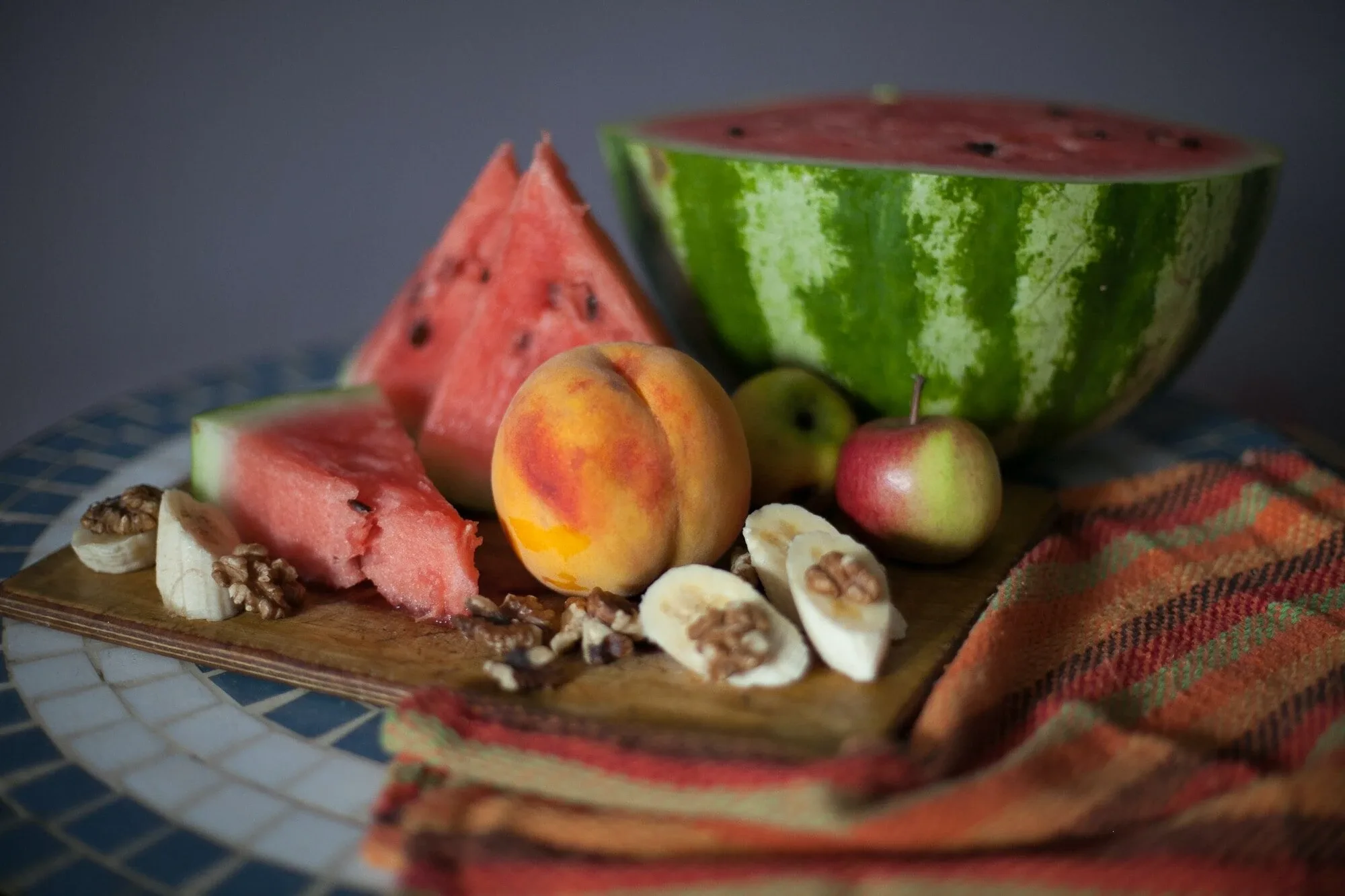
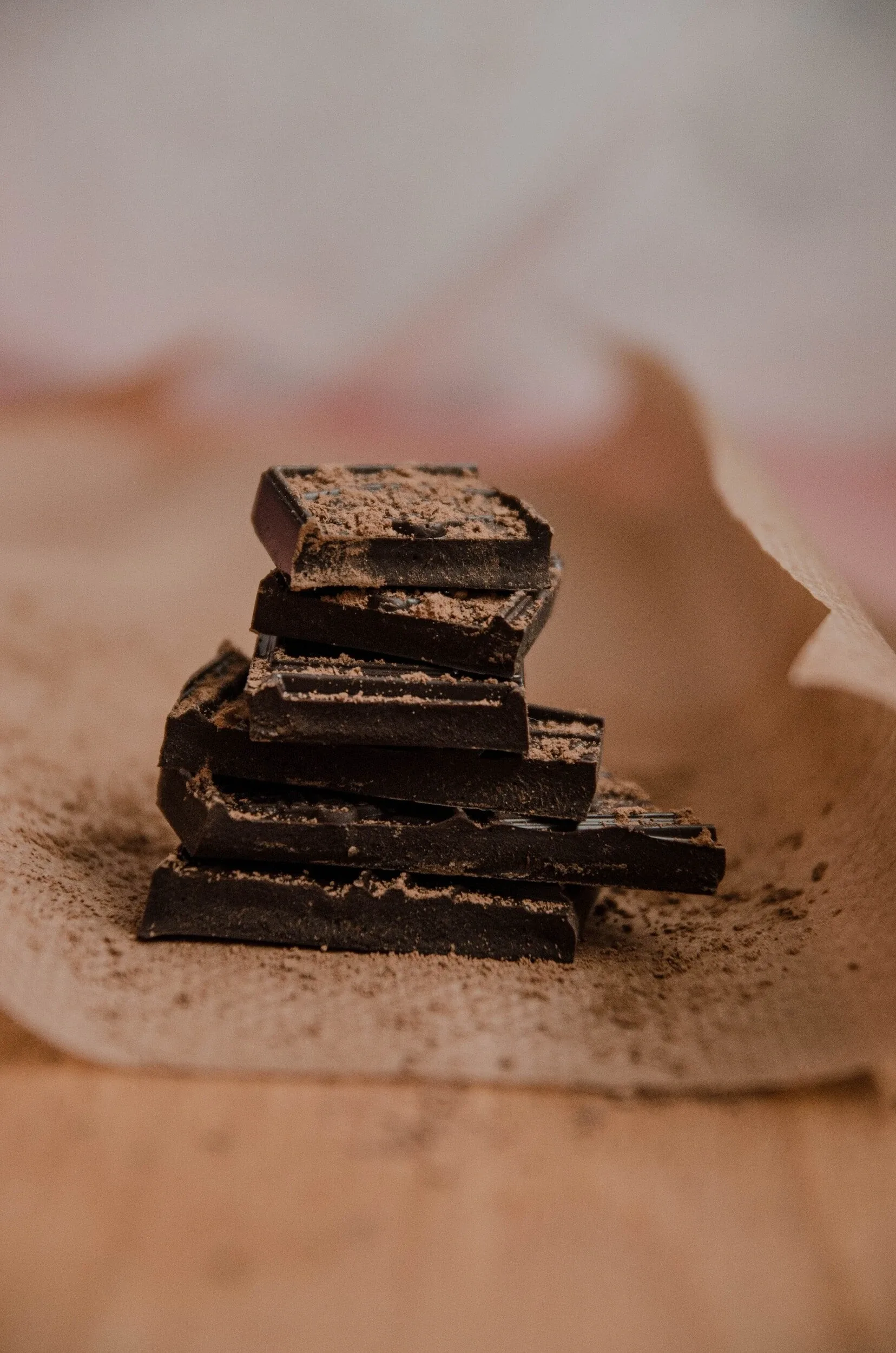
Firstly, it is important to establish that it is common for us all to experience a desire for specific foods – we are extremely fortunate to be exposed to so many incredible flavours and to be able to choose from a wide selection of food, so practice approaching food from a place of abundance and gratitude, instead of guilt and regret. Secondly, try not to think of food as ‘good versus bad’, rather tune into how different foods make you feel – consider how food affects your energy, concentration, alertness and mood.
Cravings are multifactorial: emotions, nutrient sufficiency, brain chemicals, hormones and stress. Here are some tips on how to honour cravings and practice dealing with them in healthy ways:
Blood sugar balance
Maintaining blood sugar balance is key to addressing cravings. Foods are broken down to glucose, which is then taken up by our cells, facilitated by a key hormone called insulin, to be used for energy. Glucose levels increase rapidly when we consume sweet and starchy foods (bread, chips, pasta, pastries), causing excess insulin to be released. This then results in a drastic drop in blood glucose levels. These fluctuations tend to cause a range of symptoms: cravings, fatigue, palpitations and anxiety. Consuming good sources of protein and complex carbohydrates during each meal is a great way to ensure balanced blood glucose and energy levels.
Relax
Ensure you are doing something daily for you, whether it is for 10 minutes, an hour or the entire day! Constant, ongoing stress raises cortisol levels (a stress hormone) and increases appetite (via the hormone ghrelin), which can cause people to reach for sweet, fatty, comfort foods and often overeat. Such foods high in refined sugars and trans fats raises the feel good chemical dopamine, but dopamine can deplete overtime with constant exposure to tasty but nutritionally invaluable foods, negatively affecting the brain’s reward system. Some form of stress is totally normal, but practising stress relief and mindfulness through dhikr, reading, enjoying a bath or going for a walk, can bring great benefits to overall mental and physical health, as well as help to overcome cravings.
Know what you are craving
Identify what types of foods you are craving: do you have a serious sweet tooth for chocolates? Or do you prefer salty foods, like chips and fried chicken? Do you crave textures, like crunchy Pringles or soft doughnuts? These are important questions to ask in order to choose foods that you crave that are also energy-boosting and full of beneficial nutrients.
Here are a few suggestions for snack alternatives to incorporate for sweet, salty and sour cravings:
-
Sweet: dates dipped in almond butter, wholegrain crackers topped with peanut butter and raspberries, chocolate smoothie.
-
Salty: sea salt popcorn, yogurt, celery and hummus, spicy roasted almonds.
-
Sour: homemade lemonade, green olives, kefir yogurt, tart cherry juice.
DIY
There are some amazing foods out there, from juicy burgers and cheesy fries, to hot pizzas and double chocolate cakes. In addition to the various apps to order food, satisfying cravings is quick and easy, however this has detrimental effects on energy levels, hormonal health, cognitive function, digestion and emotional health.
With thousands of recipes online, at our fingertips, cooking your favourite meals at home is a much healthier and cost-effective way to alleviate cravings. It might not be as quick and easy at first, but undeniably a huge component of overall wellness is rooted in the food we eat. Rather than banning certain foods for life, be adventurous by practicing cooking burgers for your friends or family, or take on a new challenge and attend cooking classes! This way you do enjoy your favourite foods more often, without the harmful chemicals, additives and preservatives, and it will help reduce the frequency of cravings.
Disclaimer: This information does not constitute as medical advice. Consult your doctor or healthcare provider for advice regarding any medical condition. Do not attempt to self-diagnose or treat medical conditions based on this information.
References:
https://www.health.harvard.edu/staying-healthy/why-stress-causes-people-to-overeat